Diagnosis before devices or products
Active acne, infection, eczema, suspicious moles and changing pigmentation need an appropriate clinical assessment before a cosmetic procedure is considered.
Skin health and aesthetics
Skin concerns can look similar while having different causes. These guides explain assessment-led options for acne, scars, pigmentation, texture, unwanted hair and visible ageing without promising a single treatment for everyone.

Patient information
Active acne, infection, eczema, suspicious moles and changing pigmentation need an appropriate clinical assessment before a cosmetic procedure is considered.
Skin care, prescription treatment, sun protection and procedures often have different roles. Combination plans should be staged to reduce irritation and post-inflammatory pigmentation.
Fitzpatrick skin type, recent tanning and a history of pigment change influence laser settings, peel depth and procedure selection. Test spots may be appropriate for selected technologies.
Treatment availability and suitability are confirmed by the clinic after assessment. These guides are educational and do not replace individual medical advice.
Clinic-supplied procedure rates
These are the clinic-supplied rate-list values. Confirm the current rate and exactly what it includes before booking. Your final written quotation may differ according to the assessed procedure scope, facility, anaesthesia, tests, medicines and follow-up.
View the complete procedure price list →Explore dedicated guides
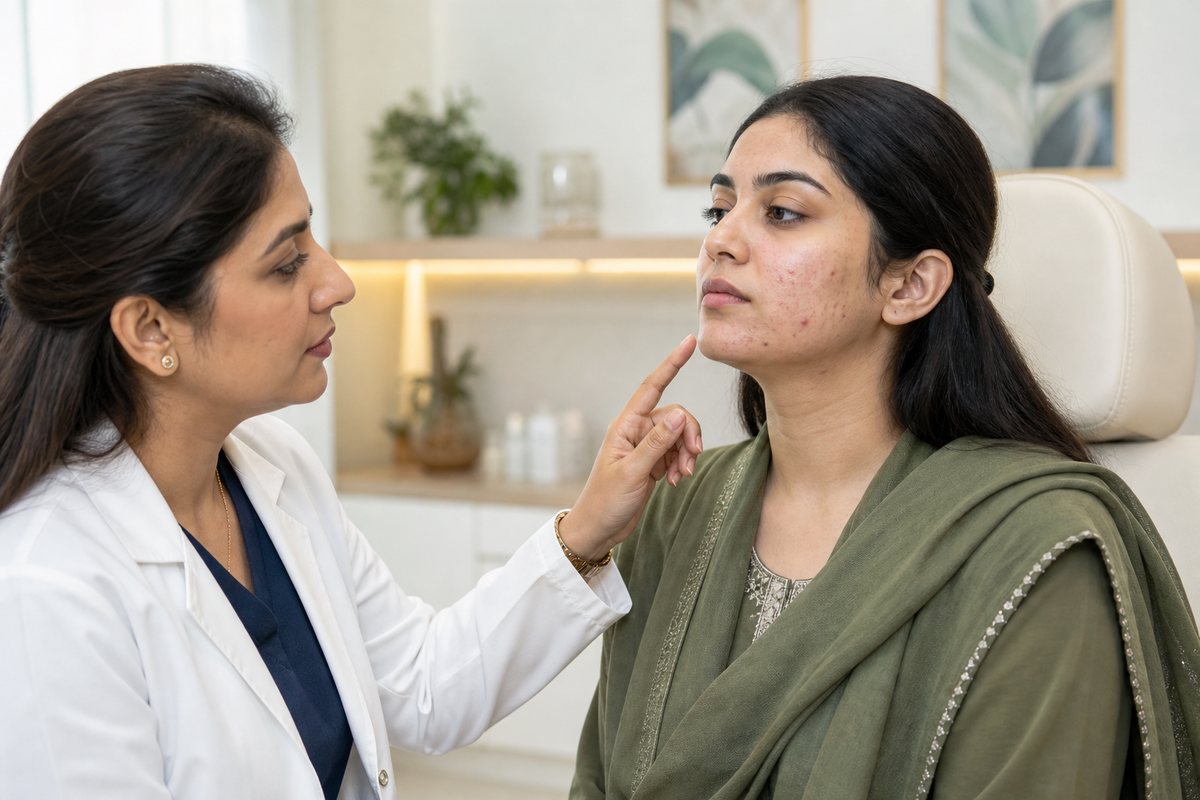
A condition-led assessment helps separate active disease from residual marks or cosmetic texture concerns. This matters because the safest treatment for one problem can aggravate another.
Read patient guide →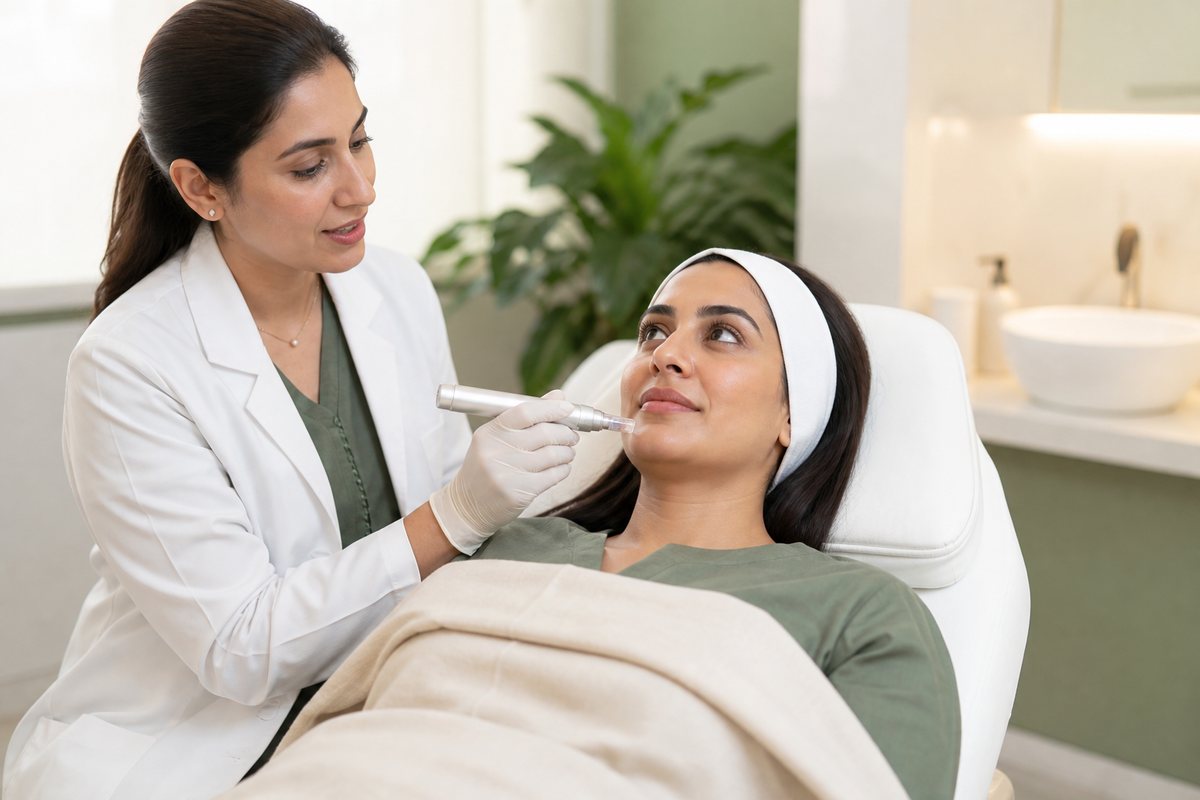
Rejuvenation can mean hydration, exfoliation, collagen stimulation, pigment control or volume restoration. Matching the method to the concern is more useful than choosing a treatment by trend alone.
Read patient guide →
Different lasers and energy-based devices target different colours, depths and tissues. The diagnosis, wavelength, settings, skin type and operator experience must align; one device is not suitable for every concern.
Read patient guide →Acne treatment aims to reduce blocked pores, inflammation and new breakouts while lowering the chance of permanent marks or scars. The plan depends on acne type, severity, skin sensitivity, previous treatment and relevant medical factors.
Read patient guide →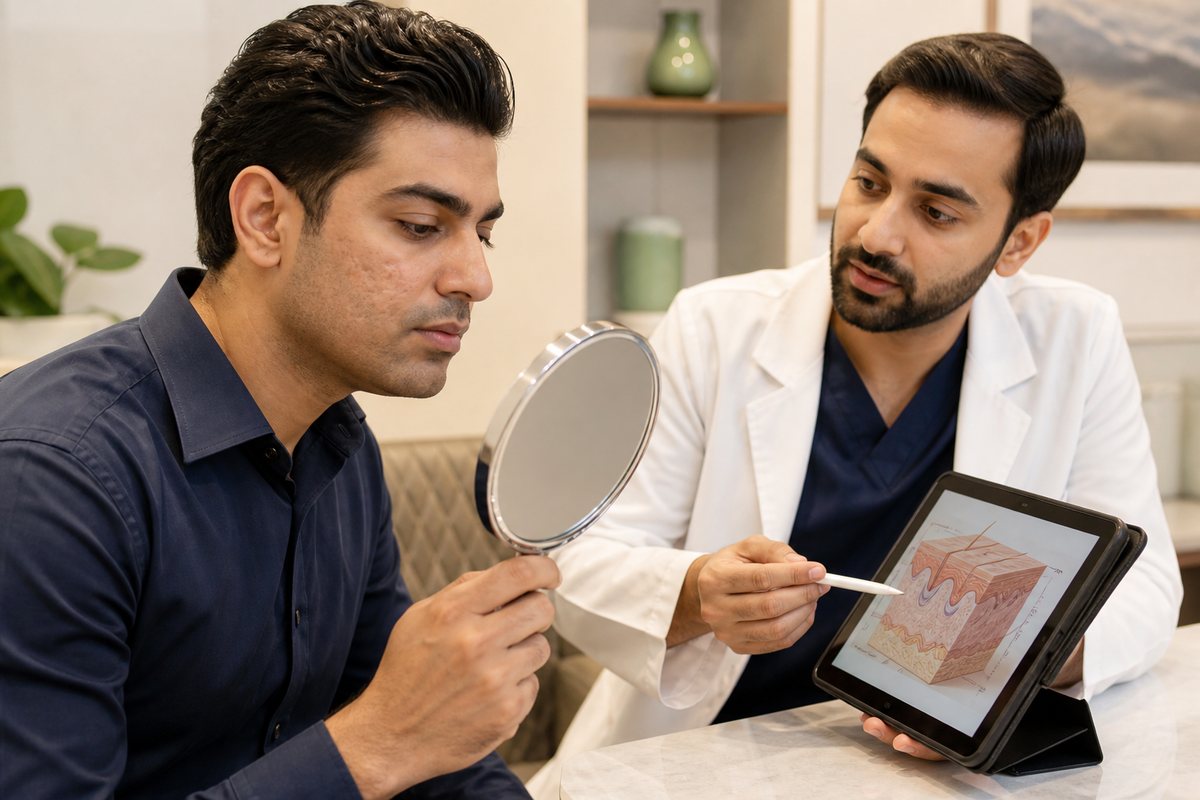
Acne scars are treated according to scar shape, depth, tethering, colour and skin type. Most patients have more than one scar pattern, so a staged combination plan may be more appropriate than one device for the whole face.
Read patient guide →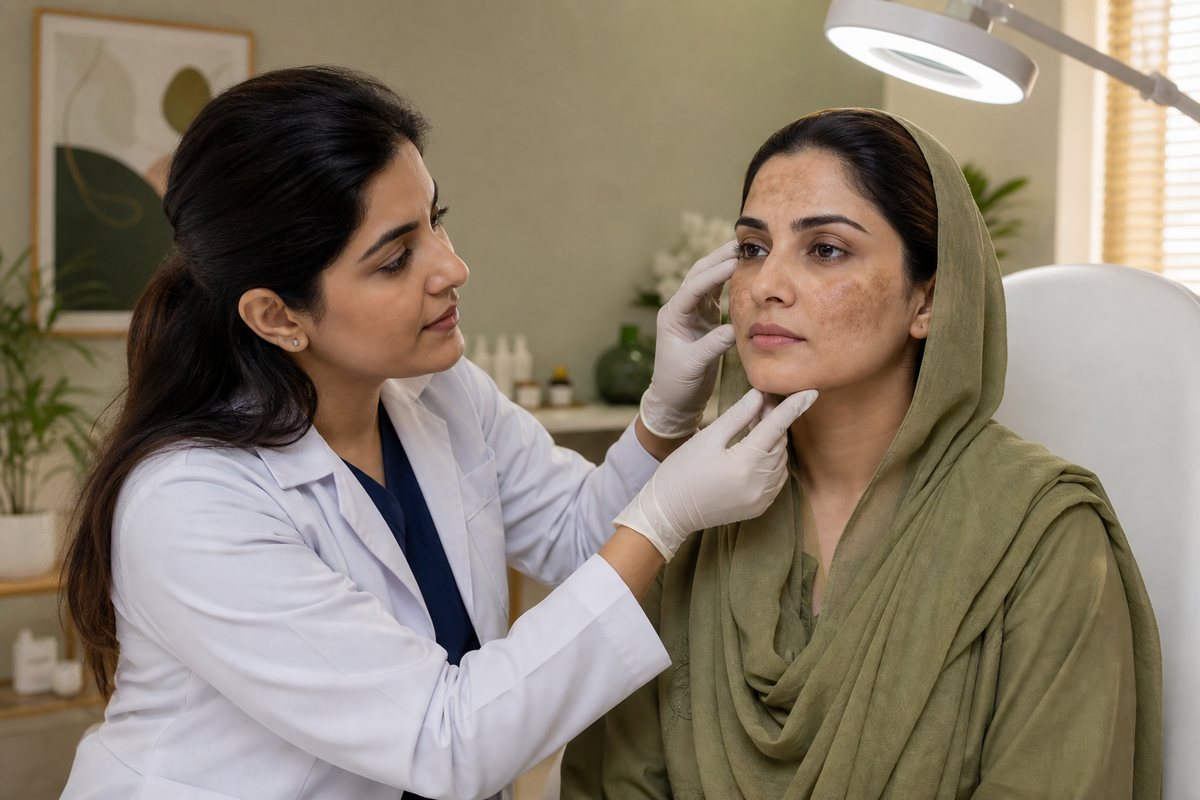
Melasma causes symmetrical brown or grey-brown facial patches and often behaves as a chronic, relapsing pigment condition. Management focuses on identifying triggers, strict light protection and a gradual plan that avoids excessive inflammation.
Read patient guide →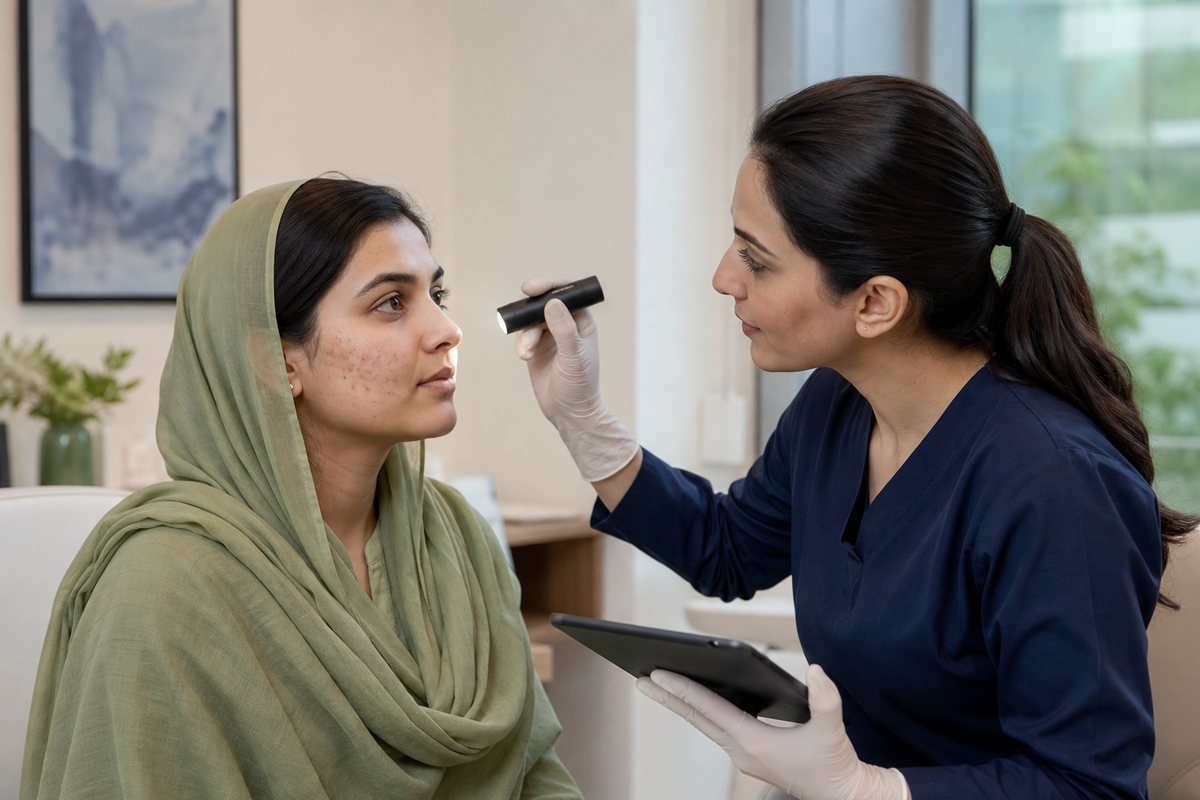
Hyperpigmentation is a description, not one diagnosis. Dark marks can follow acne, eczema, friction or injury, while freckles, sun spots and melasma have different patterns and treatment responses.
Read patient guide →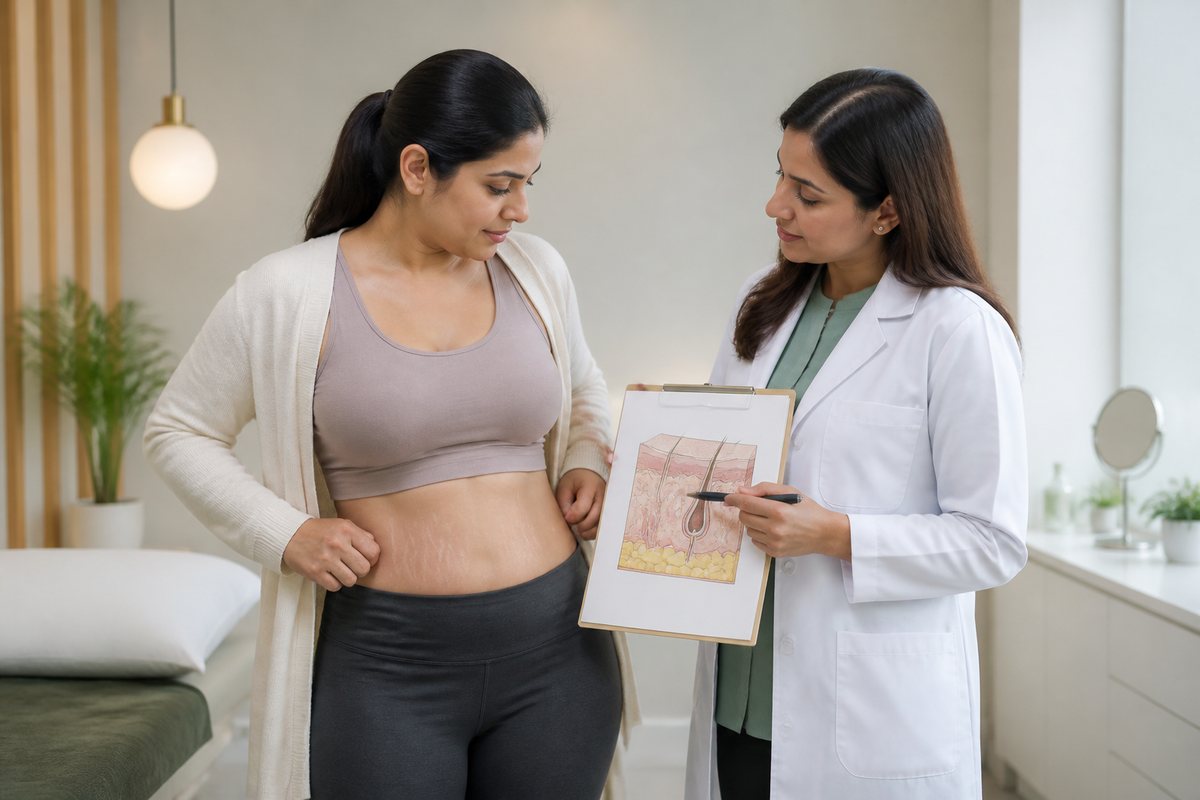
Stretch marks are dermal scars caused by rapid stretching and hormonal influences. Treatment may soften colour or texture, but complete removal is uncommon.
Read patient guide →Independent patient information
These external resources support further reading. They do not replace advice from the clinician responsible for your care.
Why choose Dr Husnain Aesthetic Clinic?
Care is led by Assoc. Prof. Dr Husnain Khan, MBBS, MCPS, FCPS, MRCS. He has more than 17 years of experience in plastic surgery, serves as Head of the Department of Plastic Surgery at Holy Family Hospital, Rawalpindi, and has worked in the UK NHS. His GMC reference is 7427786.
No page can decide your suitability or promise a result. Consultation is used to explain reasonable options, limitations, recovery and costs.