What reconstructive surgery may address
Assessment may involve wounds or scars, burn contractures, hand injuries, facial or soft-tissue defects and problems following trauma or previous treatment. Some conditions need input from other specialties.
Restoring form and function
Reconstructive plastic surgery aims to restore function, coverage and proportion after injury, burns, disease, congenital difference or previous surgery. The goal and technique depend on the tissue missing and the patient’s wider health.
Patient information
Assessment may involve wounds or scars, burn contractures, hand injuries, facial or soft-tissue defects and problems following trauma or previous treatment. Some conditions need input from other specialties.
A surgeon may compare direct closure, scar revision, skin grafting, local tissue rearrangement or flap reconstruction. The simplest appropriate option is considered, but complex defects sometimes require staged care.
Coverage, movement, sensation, breathing, eyelid closure, facial balance and scar placement can all influence planning. Improvement may be possible without returning tissue to its pre-injury state.
Assessment reviews the original condition, previous operations, scars, circulation, infection, smoking or nicotine exposure, medicines, imaging and realistic priorities. Medical optimisation may be needed before reconstruction.
Healing varies from weeks to many months. Dressings, drains, splints, physiotherapy or hand therapy may be required, and some reconstructions need later refinement.
Possible problems include bleeding, infection, wound separation, graft or flap loss, altered sensation, stiffness, conspicuous scars and the need for revision. Cost depends on complexity, stages, facility, anaesthesia and rehabilitation.
Treatment availability and suitability are confirmed by the clinic after assessment. These guides are educational and do not replace individual medical advice.
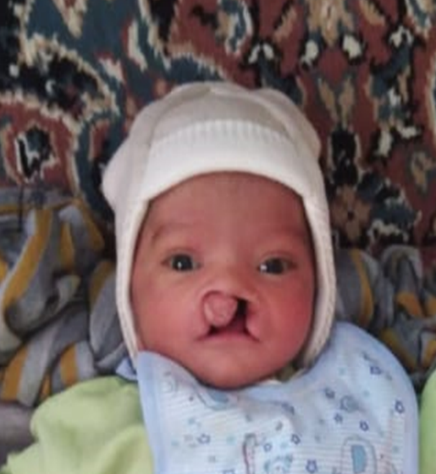
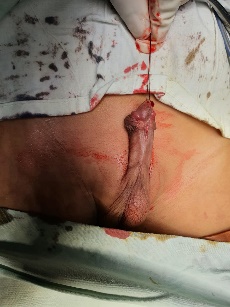
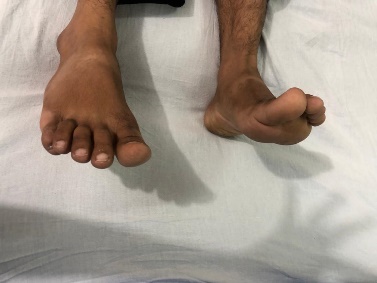
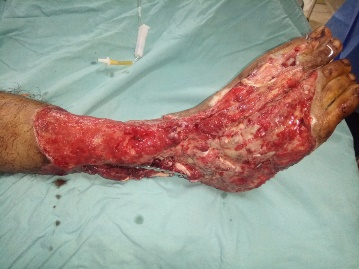
Consented clinical photographs
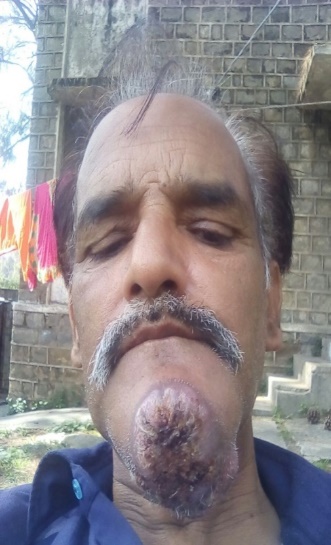
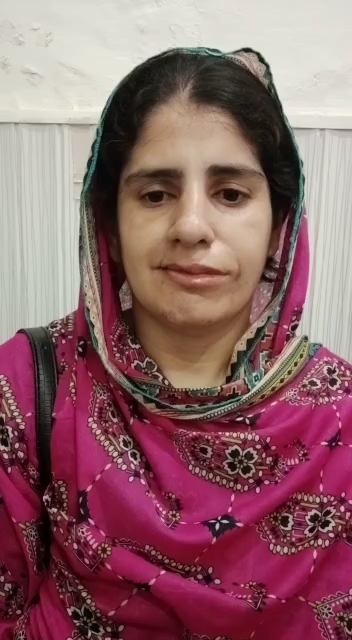
Published with patient or guardian consent. Anatomy, treatment plans, healing and outcomes differ between patients; these photographs do not promise or guarantee a result.




Clinic-supplied procedure rates
These are the clinic-supplied rate-list values. Confirm the current rate and exactly what it includes before booking. Your final written quotation may differ according to the assessed procedure scope, facility, anaesthesia, tests, medicines and follow-up.
View the complete procedure price list →Explore dedicated guides
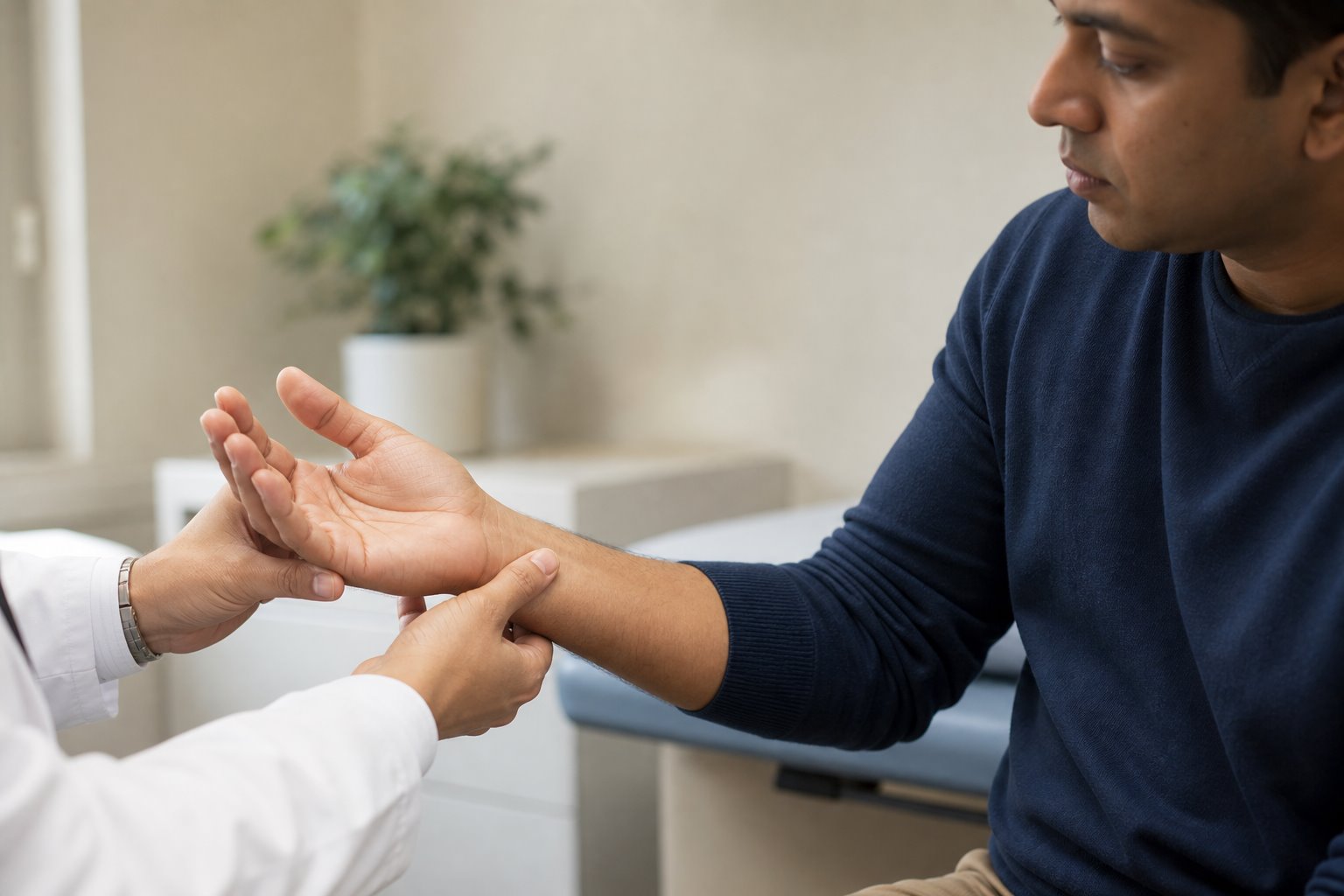
The hand contains small bones, joints, tendons, nerves, blood vessels and specialised skin working together. Symptoms that appear similar can have different causes, so diagnosis and functional assessment come before treatment.
Read patient guide →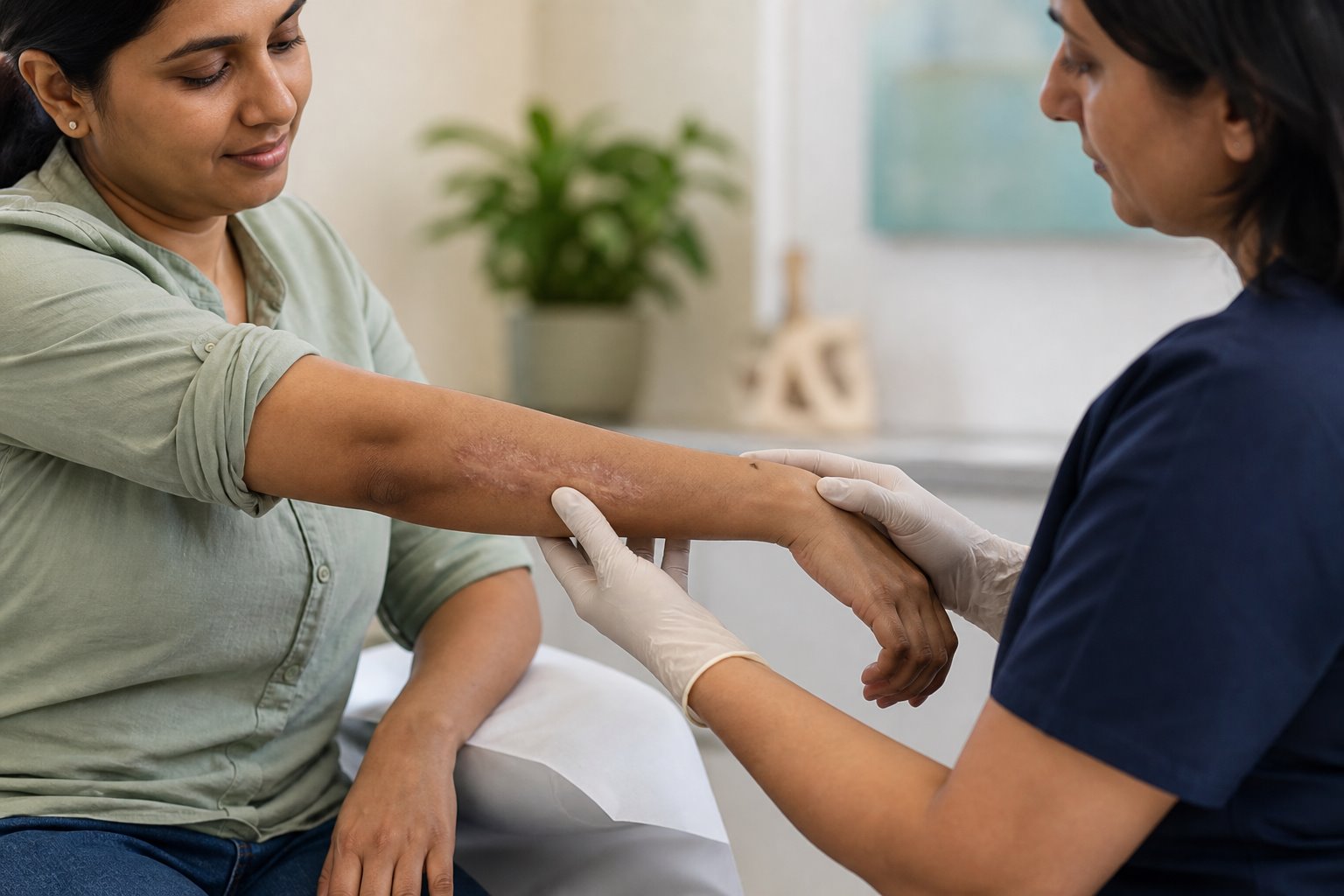
A fresh burn and a mature burn scar require very different care. Large, deep, electrical or chemical burns—and burns affecting the face, hands, airway or major joints—need prompt hospital assessment rather than an ordinary clinic appointment.
Read patient guide →
Scar revision aims to make a scar less conspicuous, better aligned or more comfortable. It cannot restore uninjured skin, and a new scar replaces the old one after surgical revision.
Read patient guide →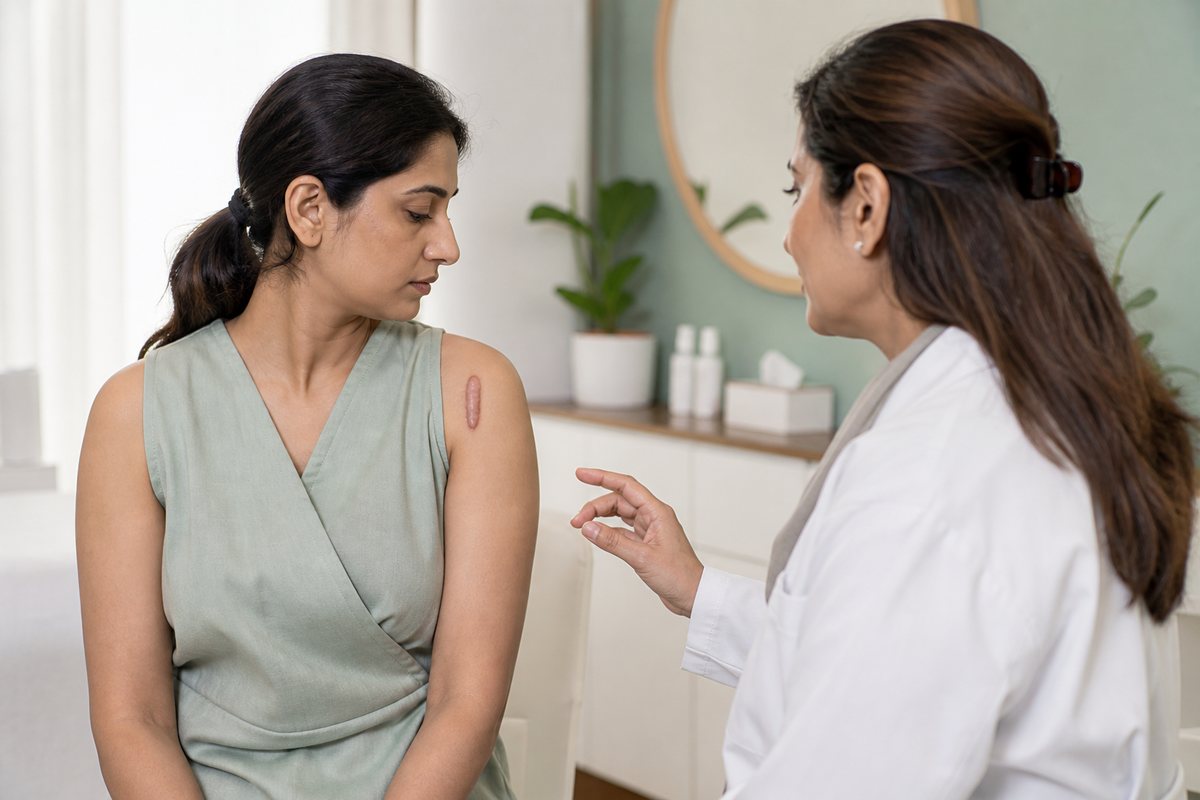
A keloid is a raised scar that grows beyond the original wound boundary. Treatment can flatten, soften or reduce symptoms, but recurrence is common—especially when excision is used without an appropriate combined plan.
Read patient guide →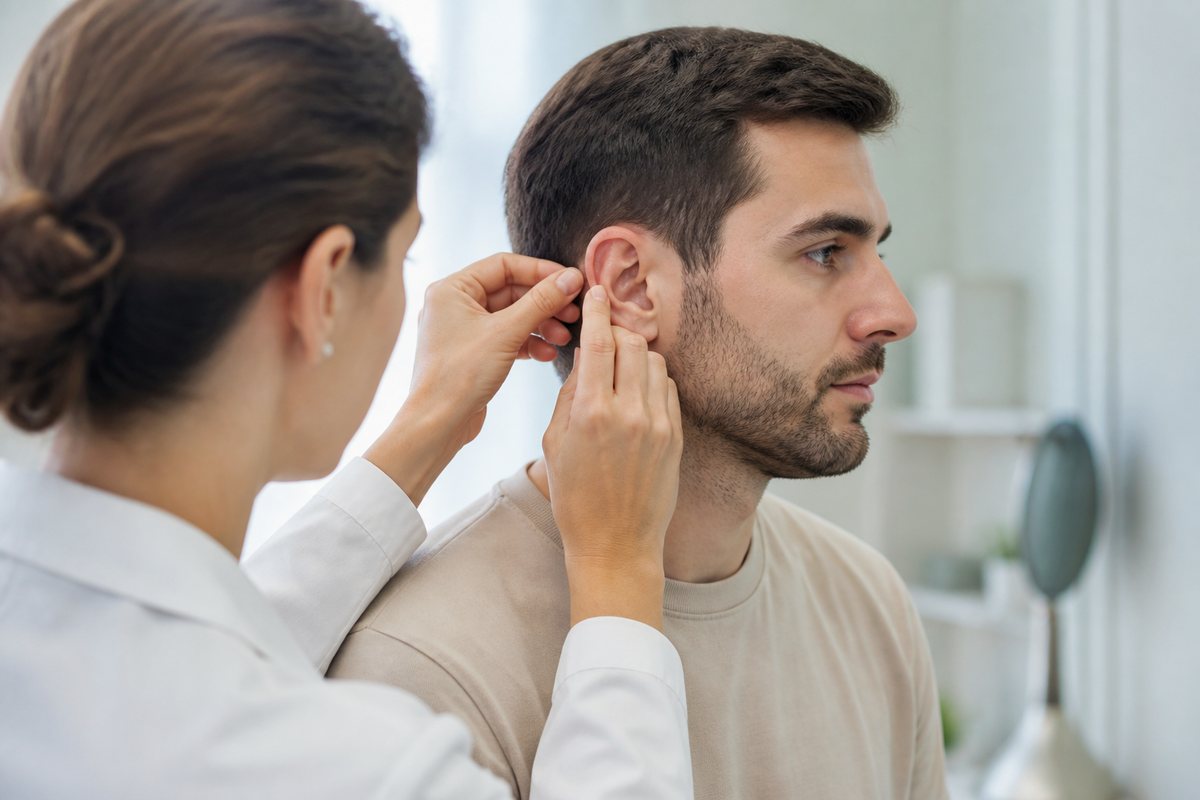
Correct prominent or uneven ears with discreet, personalised surgical care.
Read patient guide →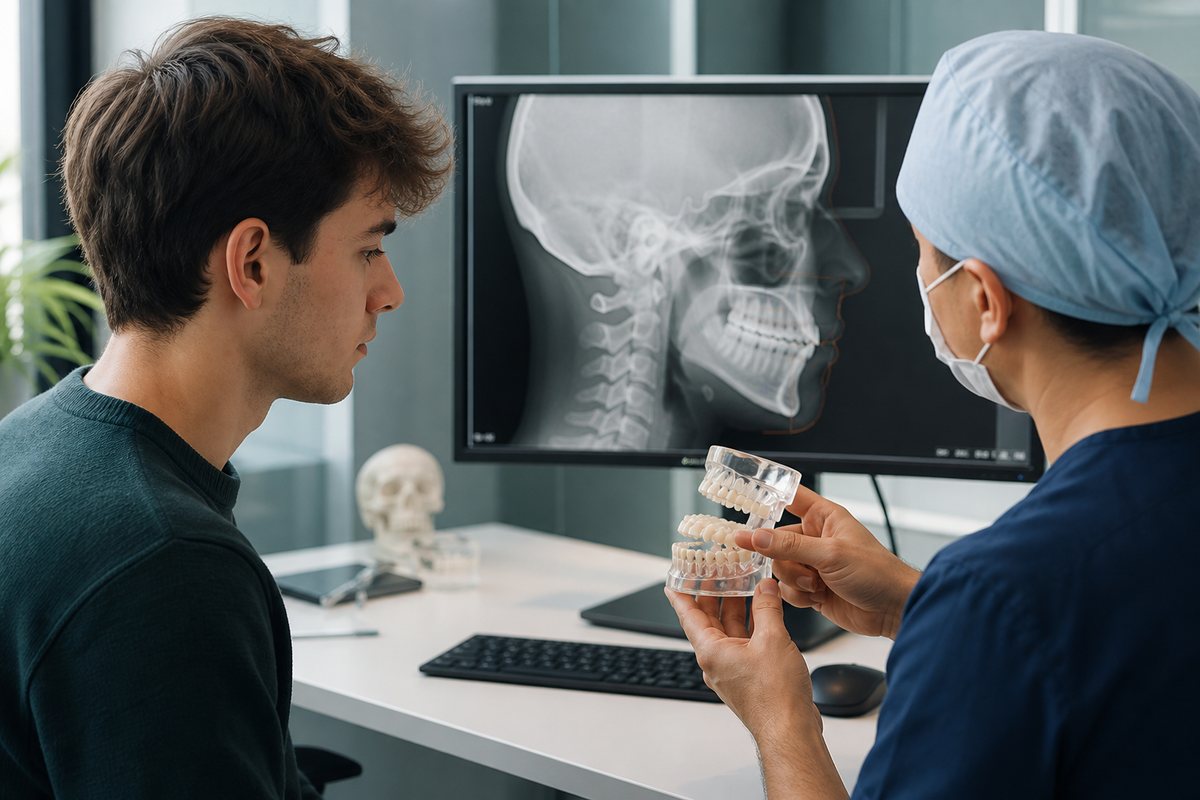
A personalised consultation to assess facial balance, function and the right surgical options.
Read patient guide →Patient questions
Reconstructive surgery primarily addresses function, coverage or tissue loss, although appearance remains important. Cosmetic surgery primarily changes appearance in otherwise normal anatomy.
A skin graft moves skin without its own blood supply to a prepared wound bed, where it must establish a new blood supply to survive.
A flap transfers tissue while preserving or reconnecting a blood supply. It may provide skin, fat, muscle or other tissue for a defect.
No. It may improve function, coverage or appearance, but scars and other limitations generally remain.
Staging can manage safety, tissue healing, rehabilitation and later refinement when one operation cannot reasonably achieve every goal.
Recovery depends on the defect and method. Simple scar surgery and complex flap reconstruction have very different healing and rehabilitation timelines.
Independent patient information
These external resources support further reading. They do not replace advice from the clinician responsible for your care.
Why choose Dr Husnain Aesthetic Clinic?
Care is led by Assoc. Prof. Dr Husnain Khan, MBBS, MCPS, FCPS, MRCS. He has more than 17 years of experience in plastic surgery, serves as Head of the Department of Plastic Surgery at Holy Family Hospital, Rawalpindi, and has worked in the UK NHS. His GMC reference is 7427786.
No page can decide your suitability or promise a result. Consultation is used to explain reasonable options, limitations, recovery and costs.