Procedure duration
Bilateral otoplasty often takes 1–3 hours depending on cartilage correction.
Otoplasty and ear correction
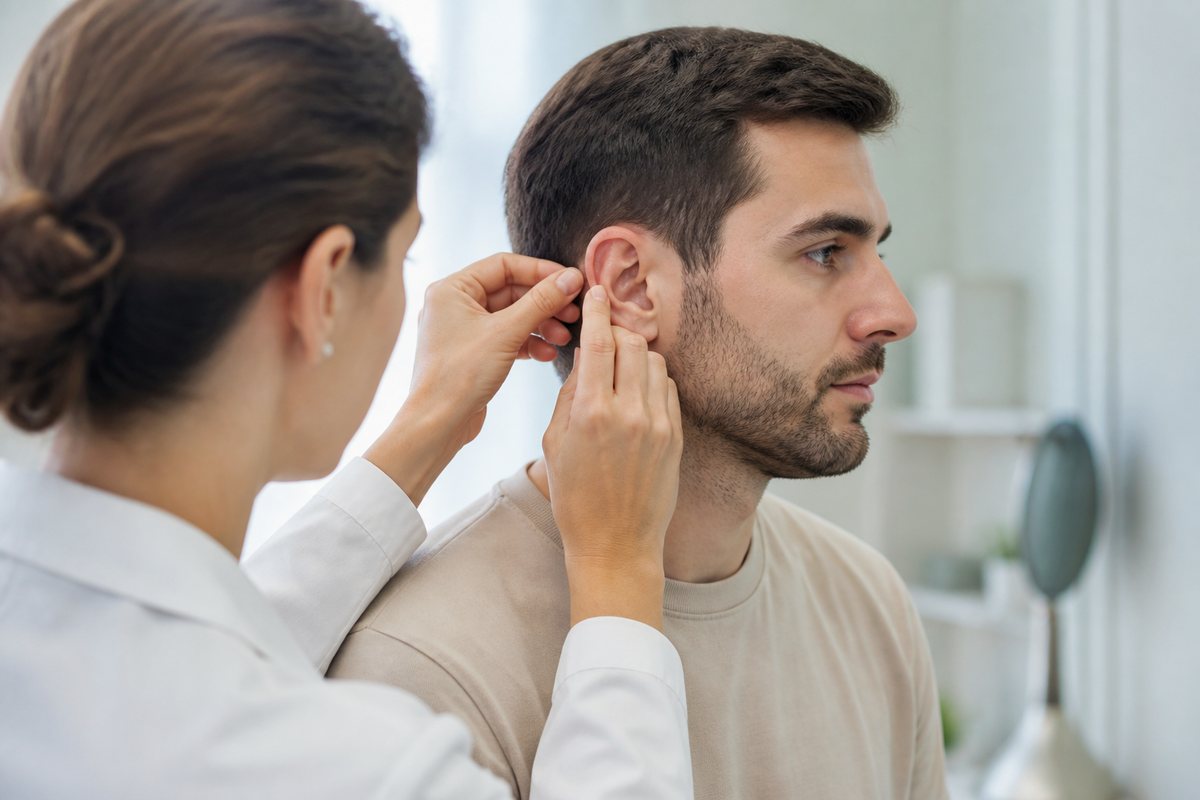
Correct prominent or uneven ears with discreet, personalised surgical care.
Clear overview
Ear surgery, often called otoplasty, can change the position, fold or proportion of the external ear. The objective is usually a natural relationship between the ears and head rather than making both sides mathematically identical.
Problems and conditions
Possible suitability
Safety screening
This list is not exhaustive. Suitability and contraindications require confirmation by the treating clinician.
Individual decision-making
Dr Husnain examines cartilage strength, skin, asymmetry and the specific feature causing prominence. For children, maturity, cooperation and family expectations are also important parts of deciding when—or whether—to operate.
Step-by-step overview
The exact technique, anaesthesia and setting depend on your examination and agreed treatment plan. A typical procedure may include:
Bilateral otoplasty often takes 1–3 hours depending on cartilage correction.
Adults may have local anaesthetic with sedation or general anaesthesia; children commonly need general anaesthesia.
This overview is educational, not a personalised operative plan. Your consultation and consent discussion will explain the technique proposed for you.
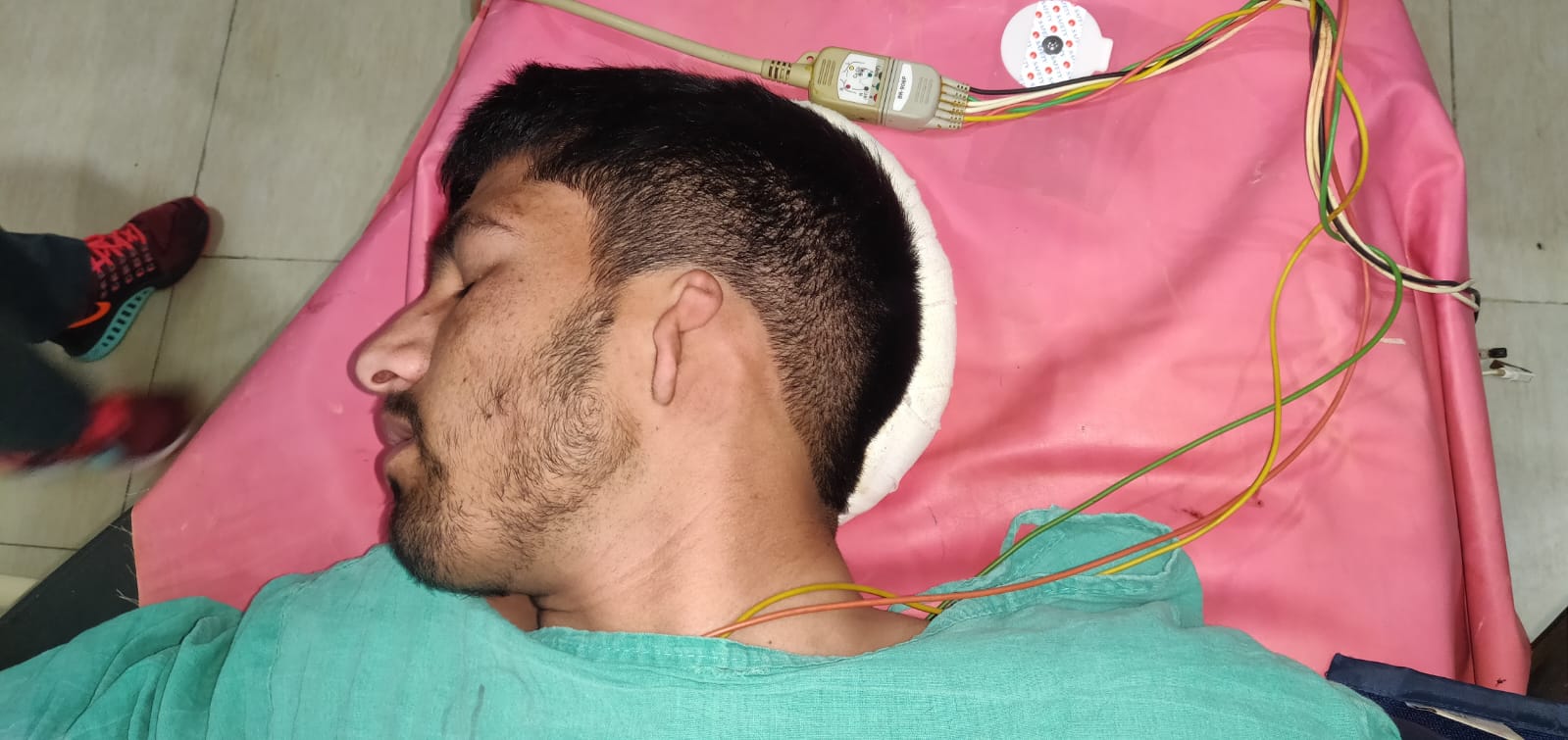
Consented clinical photographs
Published with patient or guardian consent. Anatomy, treatment plans, healing and outcomes differ between patients; these photographs do not promise or guarantee a result.

After your procedure
A protective dressing or headband may be advised. Temporary swelling, bruising and tenderness are common. Sleeping position, school or work, exercise and contact activity are resumed according to individual healing.
This depends on dressings, tenderness and the type of work or school activity.
The ears need protection from pulling, pressure and impact.
Swelling reduces while scars and cartilage continue to settle.
These are general planning ranges, not a personal clearance date. Recovery differs between patients, and your written instructions and Dr Husnain’s advice take priority over general information online.
Result development
Position changes are visible after dressings, while swelling and cartilage settle for several months. Recurrence is possible.
Potential benefits
Informed consent
Every procedure has limitations and possible complications. Relevant considerations include:
Before treatment
After treatment
Why choose Dr Husnain Aesthetic Clinic?
Care is led by Assoc. Prof. Dr Husnain Khan, MBBS, MCPS, FCPS, MRCS. He has more than 17 years of experience as a plastic surgeon, is Head of the Department of Plastic Surgery at Holy Family Hospital, Rawalpindi, has worked in the UK NHS and is listed with GMC reference 7427786.
Credentials do not guarantee an outcome. Consultation is used to explain realistic options, limitations, recovery and follow-up.
Clinic-supplied procedure rates
These are the clinic-supplied rate-list values. Confirm the current rate and exactly what it includes before booking. Your final written quotation may differ according to the assessed procedure scope, facility, anaesthesia, tests, medicines and follow-up.
View the complete procedure price list →Personalised quotation
Price depends on the individual treatment plan. Factors may include:
The published rate-list value is not a guaranteed final quotation. Ask what is included in writing and whether tests, medicines, facility costs or follow-up are separate.
Read the treatment-cost planning guide →Direct answers
Natural ears are not perfectly identical. Surgery aims for improved balance, but small differences can remain.
They are commonly positioned in the crease behind the ear, although the exact location depends on the correction required.
Timing depends on ear development, the child’s wishes, cooperation and family circumstances and is assessed individually.
Protocols vary by cartilage work and surgeon; use the written plan rather than a generic timetable.
Cartilage can partly recur or sutures can fail, so revision is sometimes needed.
It reshapes the external ear and does not normally alter the hearing mechanism, but any hearing concern needs separate assessment.
The ears need protection for several weeks; the exact date comes from review.
Earlobe repair is a different procedure and may be combined selectively.
Independent patient information
These external resources support further reading. They do not replace advice from the clinician responsible for your care.
Book a private consultation in Satellite Town, Rawalpindi for individual assessment, alternatives, costs, recovery and aftercare guidance. We welcome patients from Rawalpindi, Islamabad and surrounding areas.
General patient information · Last reviewed 12 September 2026 · This page does not replace a medical consultation.