Structure and function
Nasal breathing, eyelid closure, bite, facial nerve function and skin quality can be as important as appearance when planning surgery.
Head, face and neck
Facial procedures should preserve function and respect the relationship between the nose, chin, jaw, eyelids, ears and neck. A full facial assessment can prevent treating one feature in isolation.
Patient information
Nasal breathing, eyelid closure, bite, facial nerve function and skin quality can be as important as appearance when planning surgery.
Fillers or energy-based treatments may address selected concerns but are not substitutes for every structural operation. Their different risks and duration should be compared.
Bruising and swelling settle on different timelines. Rhinoplasty and jaw surgery can continue refining long after a patient has returned to work.
Treatment availability and suitability are confirmed by the clinic after assessment. These guides are educational and do not replace individual medical advice.
Clinic-supplied procedure rates
These are the clinic-supplied rate-list values. Confirm the current rate and exactly what it includes before booking. Your final written quotation may differ according to the assessed procedure scope, facility, anaesthesia, tests, medicines and follow-up.
View the complete procedure price list →Explore dedicated guides
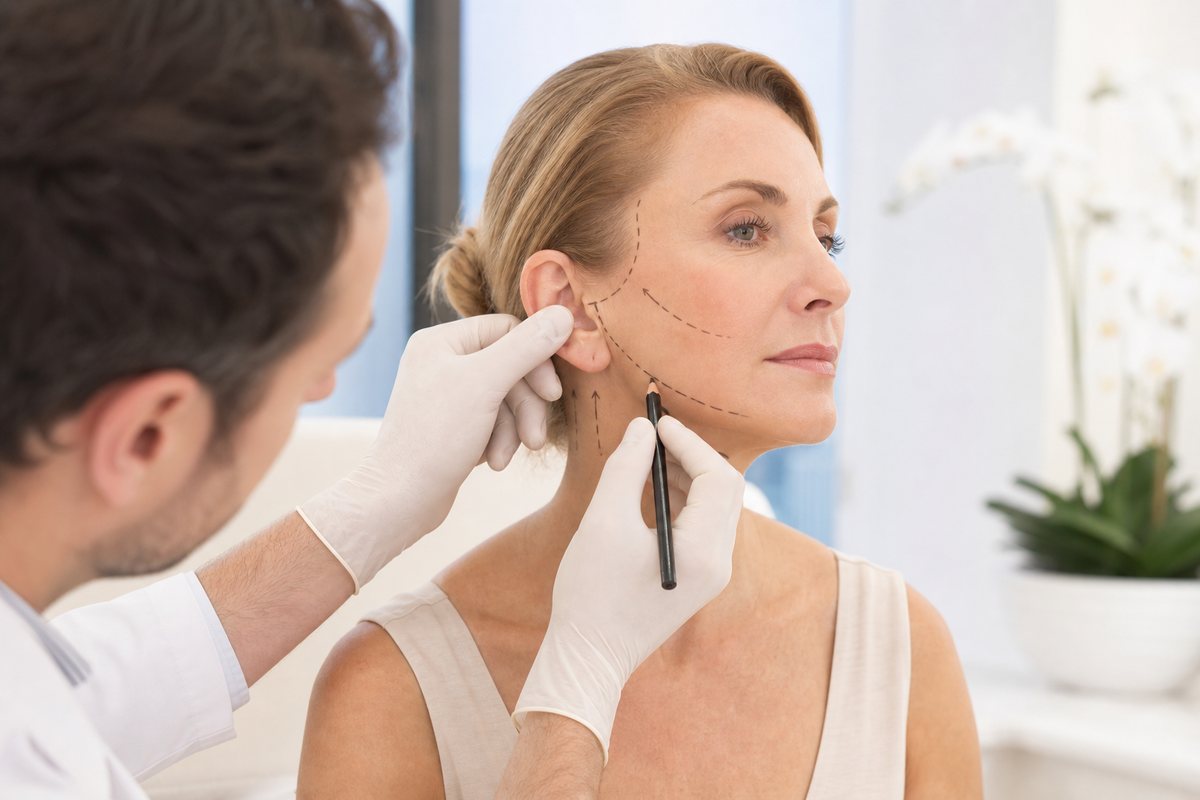
Refresh facial contours and address visible signs of ageing with a treatment plan tailored to you.
Read patient guide →
Reshape or refine the nose while maintaining a natural balance with your facial features.
Read patient guide →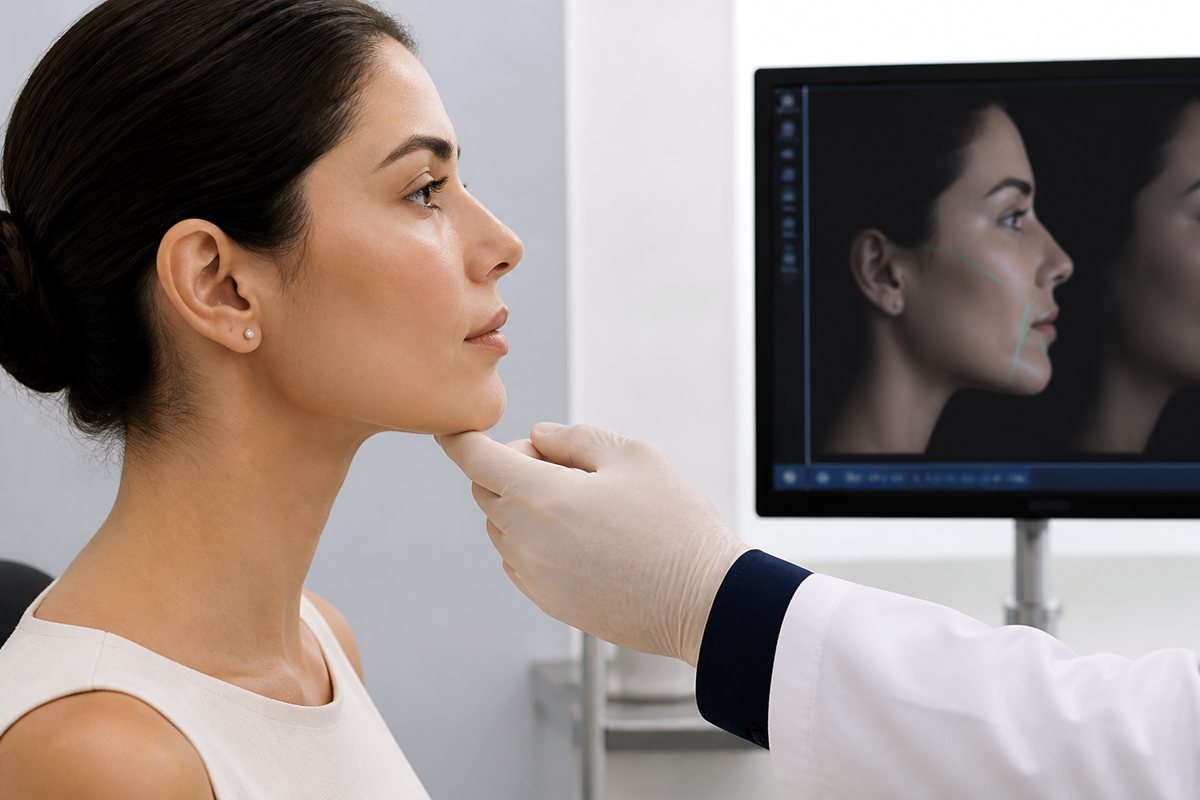
Improve chin projection and facial harmony with a carefully planned surgical approach.
Read patient guide →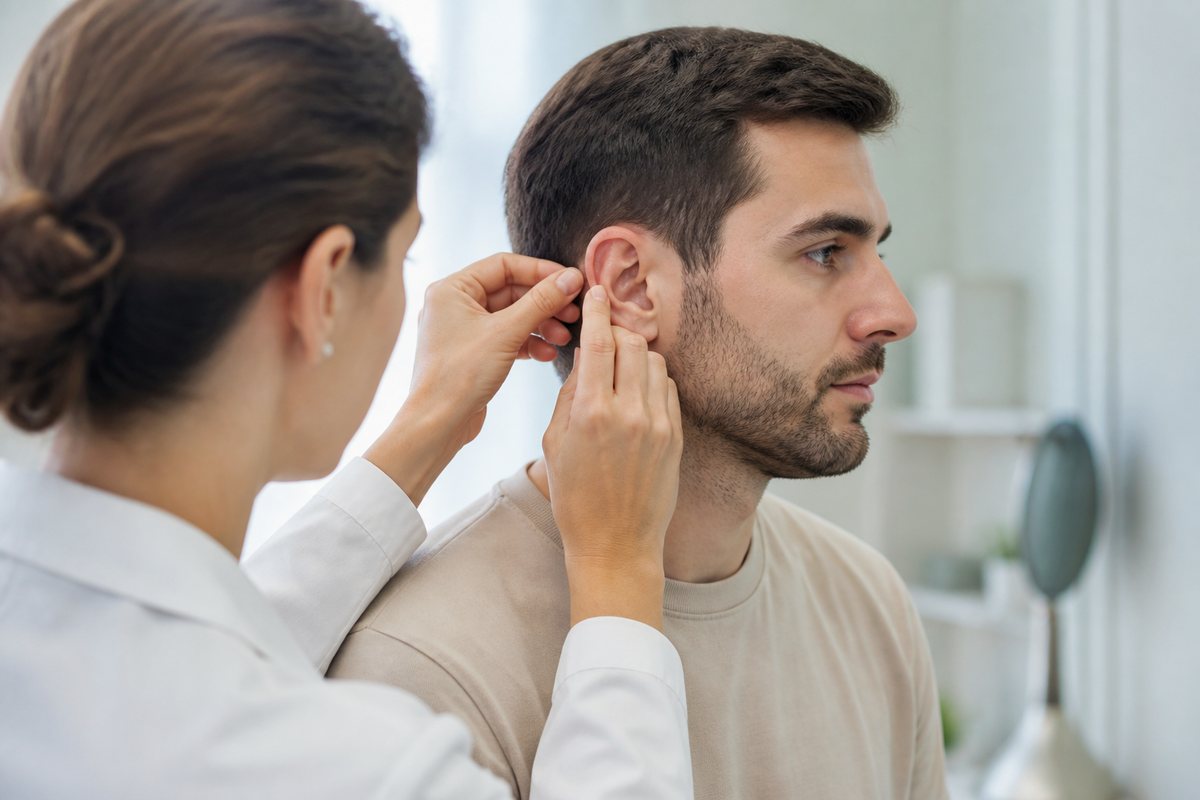
Correct prominent or uneven ears with discreet, personalised surgical care.
Read patient guide →
A personalised consultation to assess facial balance, function and the right surgical options.
Read patient guide →
Blepharoplasty removes or repositions selected eyelid skin and fat. Planning must protect eyelid closure, tear-film health and vision while distinguishing true eyelid changes from brow descent or cheek volume loss.
Read patient guide →
A neck lift addresses selected loose skin, platysma muscle bands and fat beneath the jaw. The plan depends on whether the main issue is skin, muscle, superficial fat, deeper anatomy or chin projection.
Read patient guide →
Buccal fat removal reduces a portion of the deep cheek fat pad through an incision inside the mouth. It is suitable only for selected persistent lower-cheek fullness and can create an overly hollow appearance as the face ages.
Read patient guide →
Cheek augmentation can use temporary filler, a patient’s own fat or a surgical implant. The appropriate option depends on skeletal projection, soft-tissue volume, skin laxity, desired duration and tolerance for surgery.
Read patient guide →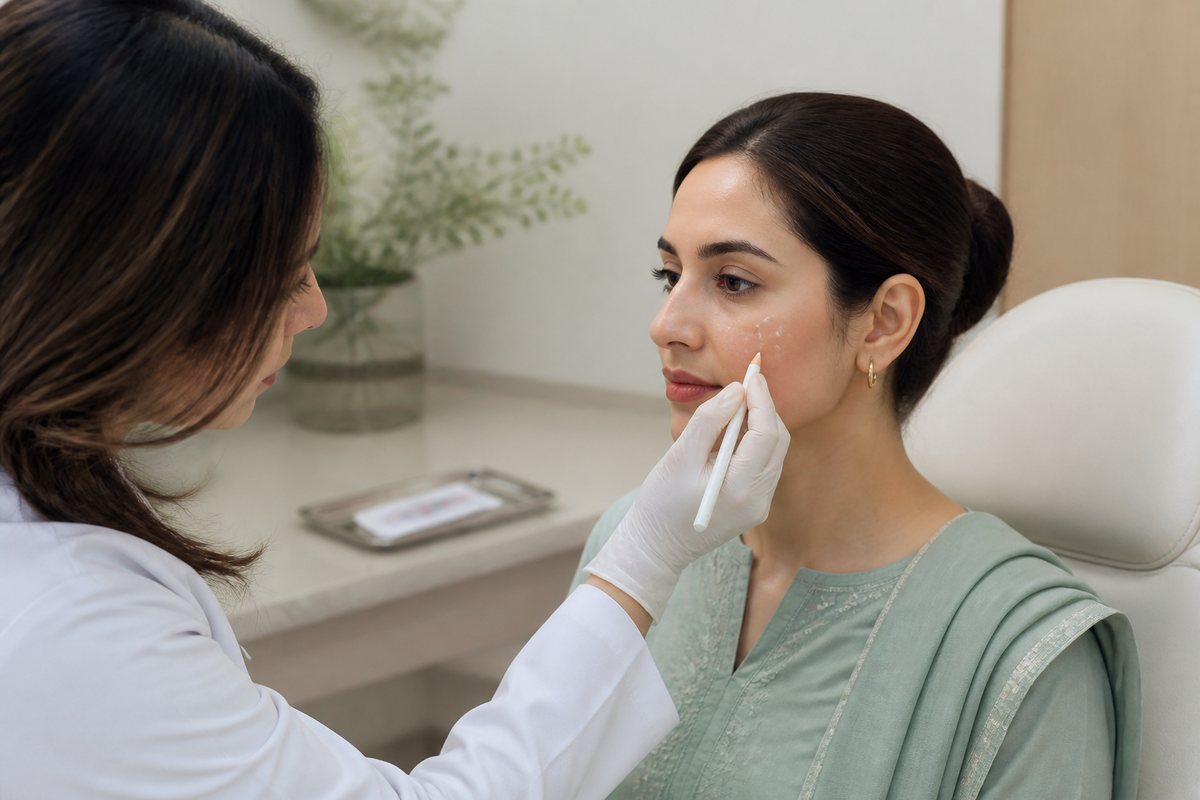
Dermal fillers place a medical gel or other authorised material into selected tissue to alter volume, contour or a fold. They are medical procedures—not beauty products—and require anatomical assessment and a plan for rare vascular emergencies.
Read patient guide →Independent patient information
These external resources support further reading. They do not replace advice from the clinician responsible for your care.
Why choose Dr Husnain Aesthetic Clinic?
Care is led by Assoc. Prof. Dr Husnain Khan, MBBS, MCPS, FCPS, MRCS. He has more than 17 years of experience in plastic surgery, serves as Head of the Department of Plastic Surgery at Holy Family Hospital, Rawalpindi, and has worked in the UK NHS. His GMC reference is 7427786.
No page can decide your suitability or promise a result. Consultation is used to explain reasonable options, limitations, recovery and costs.