Procedure duration
Implant augmentation often takes 1–2 hours. Fat transfer or combined lift surgery takes longer.
Breast volume and proportion
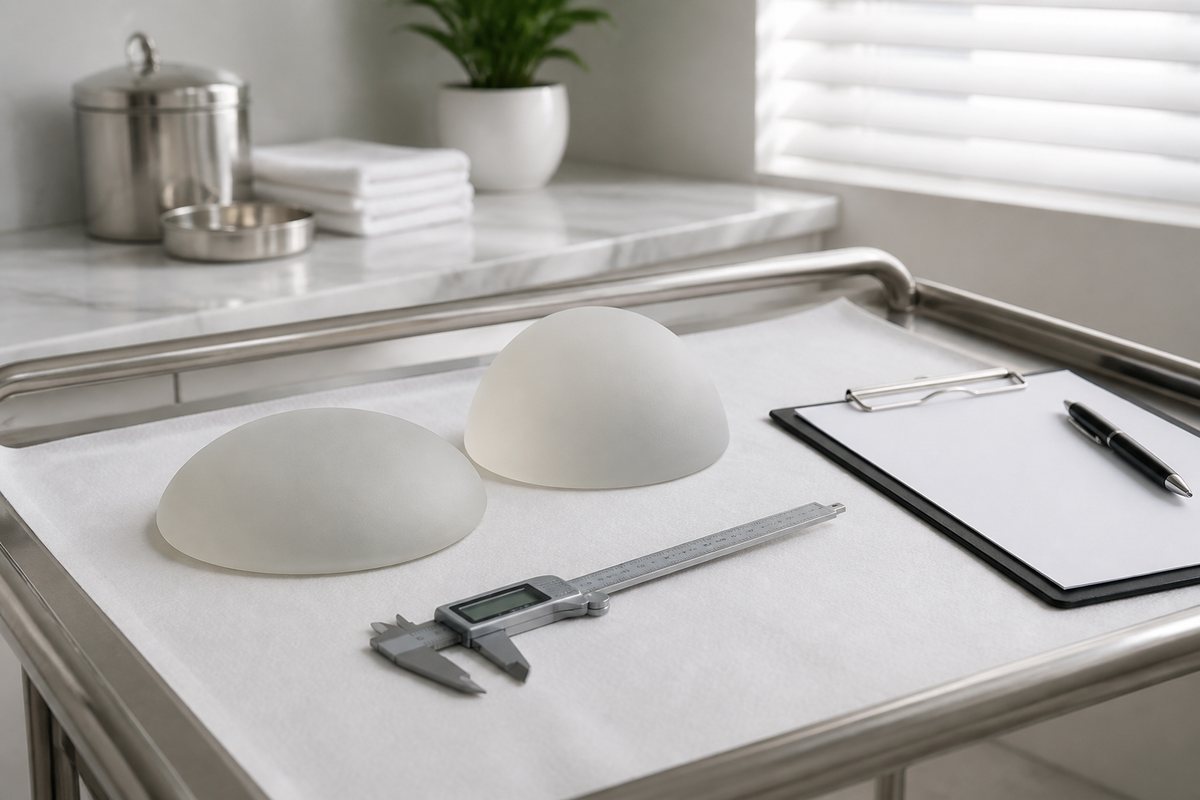
Enhance breast shape and volume while respecting your proportions and personal goals.
Clear overview
Breast augmentation increases or restores volume using an implant or, in selected cases, transferred fat. The objective is proportionate enhancement based on chest dimensions, existing breast tissue and the patient’s priorities.
Problems and conditions
Possible suitability
Safety screening
This list is not exhaustive. Suitability and contraindications require confirmation by the treating clinician.
Individual decision-making
Consultation covers implant type and size, incision and pocket options, possible need for a lift, future pregnancy and long-term implant monitoring. Photographs and measurements help set realistic expectations.
Step-by-step overview
The exact technique, anaesthesia and setting depend on your examination and agreed treatment plan. A typical procedure may include:
Implant augmentation often takes 1–2 hours. Fat transfer or combined lift surgery takes longer.
General anaesthesia is common; selected limited procedures may use another monitored plan.
This overview is educational, not a personalised operative plan. Your consultation and consent discussion will explain the technique proposed for you.
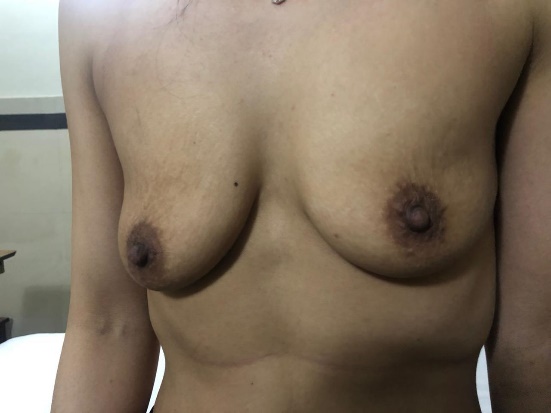
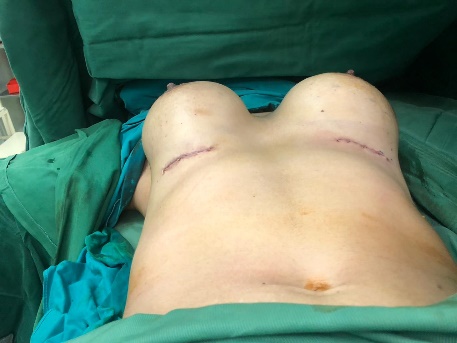
Consented clinical photographs
Published with patient or guardian consent. Anatomy, treatment plans, healing and outcomes differ between patients; these photographs do not promise or guarantee a result.
After your procedure
Tightness, swelling and discomfort are expected early. Support garments, driving, lifting, work and exercise are resumed in stages. Scars and breast shape continue to mature after the initial recovery.
Timing varies with discomfort, implant position and job demands.
Restart only after the surgeon confirms appropriate healing.
Swelling reduces as implants and tissues settle.
These are general planning ranges, not a personal clearance date. Recovery differs between patients, and your written instructions and Dr Husnain’s advice take priority over general information online.
Result development
Volume changes immediately, while swelling and implant position settle over several months. Implants require future monitoring and may need revision.
Potential benefits
Informed consent
Every procedure has limitations and possible complications. Relevant considerations include:
Before treatment
After treatment
Why choose Dr Husnain Aesthetic Clinic?
Care is led by Assoc. Prof. Dr Husnain Khan, MBBS, MCPS, FCPS, MRCS. He has more than 17 years of experience as a plastic surgeon, is Head of the Department of Plastic Surgery at Holy Family Hospital, Rawalpindi, has worked in the UK NHS and is listed with GMC reference 7427786.
Credentials do not guarantee an outcome. Consultation is used to explain realistic options, limitations, recovery and follow-up.
Clinic-supplied procedure rates
These are the clinic-supplied rate-list values. Confirm the current rate and exactly what it includes before booking. Your final written quotation may differ according to the assessed procedure scope, facility, anaesthesia, tests, medicines and follow-up.
View the complete procedure price list →Personalised quotation
Price depends on the individual treatment plan. Factors may include:
The published rate-list value is not a guaranteed final quotation. Ask what is included in writing and whether tests, medicines, facility costs or follow-up are separate.
Read the treatment-cost planning guide →Direct answers
They should not be considered lifetime devices. Future monitoring and possible replacement or removal may be required.
Augmentation adds volume; a lift repositions and reshapes. Some patients need one procedure and others may benefit from a combination.
Chest dimensions, tissue coverage and goals guide selection; cup size cannot be predicted precisely.
Pocket choice depends on tissue, implant, activity and surgeon judgement; each has trade-offs.
Many patients can, but surgery and individual anatomy can affect breastfeeding and cannot guarantee it.
Scar tissue around an implant can tighten, causing firmness, shape change or pain and sometimes revision.
Follow the surgeon and implant manufacturer’s recommendations for clinical review and imaging where applicable.
It can add modest variable volume in selected patients but requires donor fat and may need repeat treatment.
Independent patient information
These external resources support further reading. They do not replace advice from the clinician responsible for your care.
Book a private consultation in Satellite Town, Rawalpindi for individual assessment, alternatives, costs, recovery and aftercare guidance. We welcome patients from Rawalpindi, Islamabad and surrounding areas.
General patient information · Last reviewed 12 September 2026 · This page does not replace a medical consultation.