Not every patient needs surgery
Medical treatment, observation or referral may be more appropriate when loss is active, diffuse or related to an underlying condition.
Diagnosis before restoration
Hair loss may result from androgenetic alopecia, shedding, inflammation, scarring disease, nutritional or medical factors. A diagnosis comes before injections or transplant planning.

Patient information
Medical treatment, observation or referral may be more appropriate when loss is active, diffuse or related to an underlying condition.
A transplant redistributes existing follicles; it does not create unlimited new hair. Long-term planning should preserve donor supply for future loss.
Transplanted shafts commonly shed before follicles enter a new growth cycle. Density develops gradually, and maintenance treatment may still be discussed for non-transplanted hair.
Treatment availability and suitability are confirmed by the clinic after assessment. These guides are educational and do not replace individual medical advice.
Explore dedicated guides
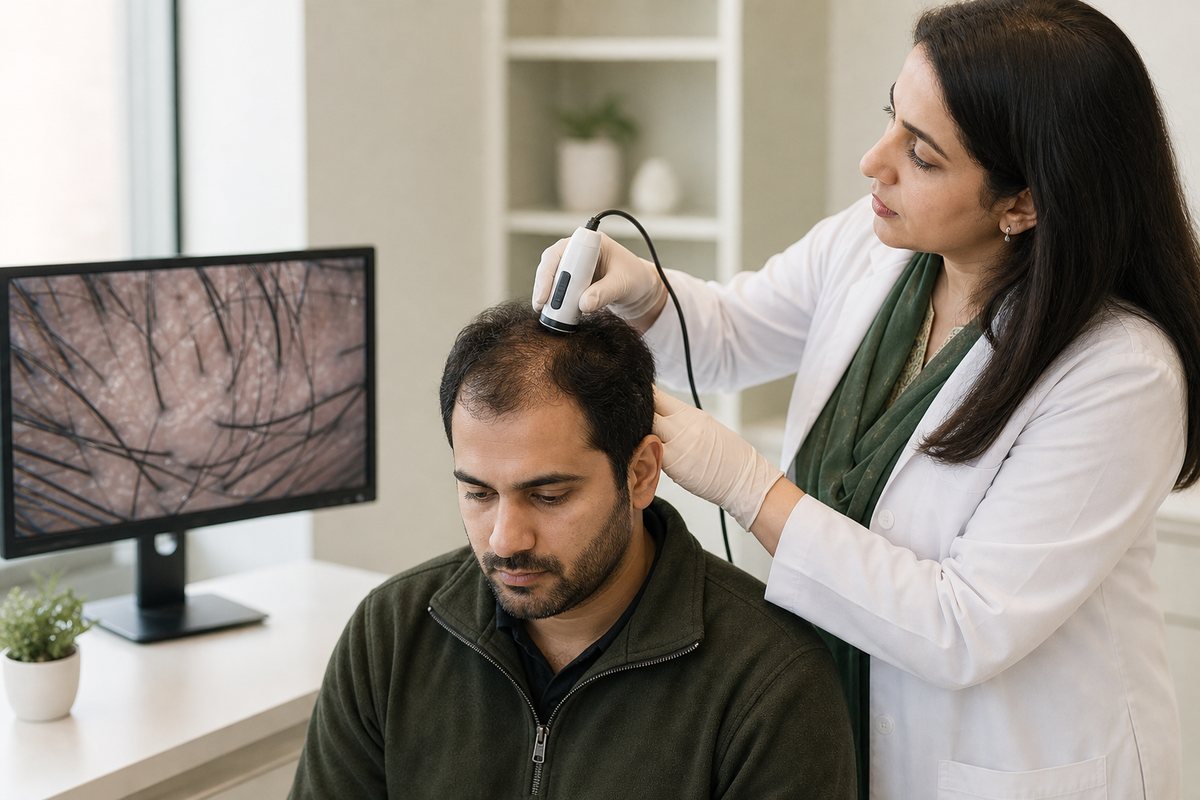
Hair loss is a symptom with several possible causes. A useful consultation distinguishes patterned loss from shedding, breakage, inflammation and scarring disease before discussing medicine, injections or transplantation.
Read patient guide →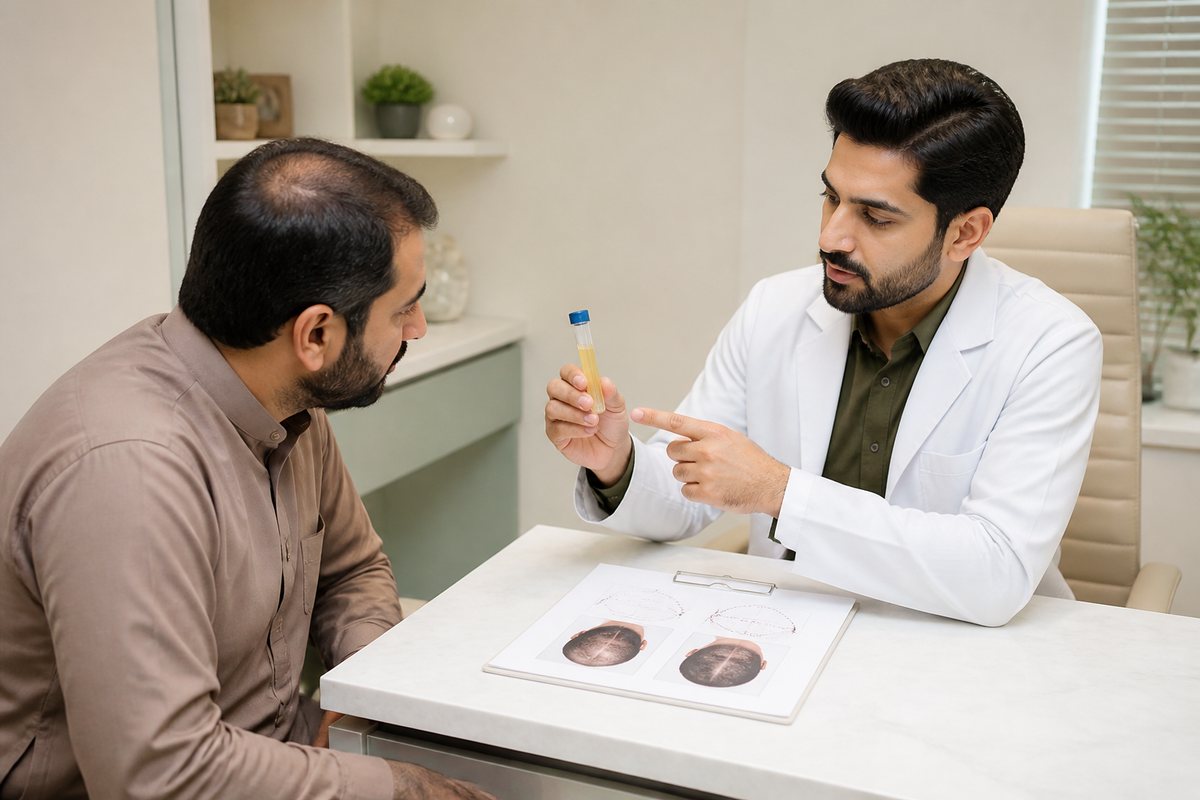
Platelet-rich plasma is prepared from the patient’s blood and injected into selected scalp areas. Evidence suggests possible benefit for some non-scarring hair-loss patterns, but protocols and response vary and PRP does not create new follicles.
Read patient guide →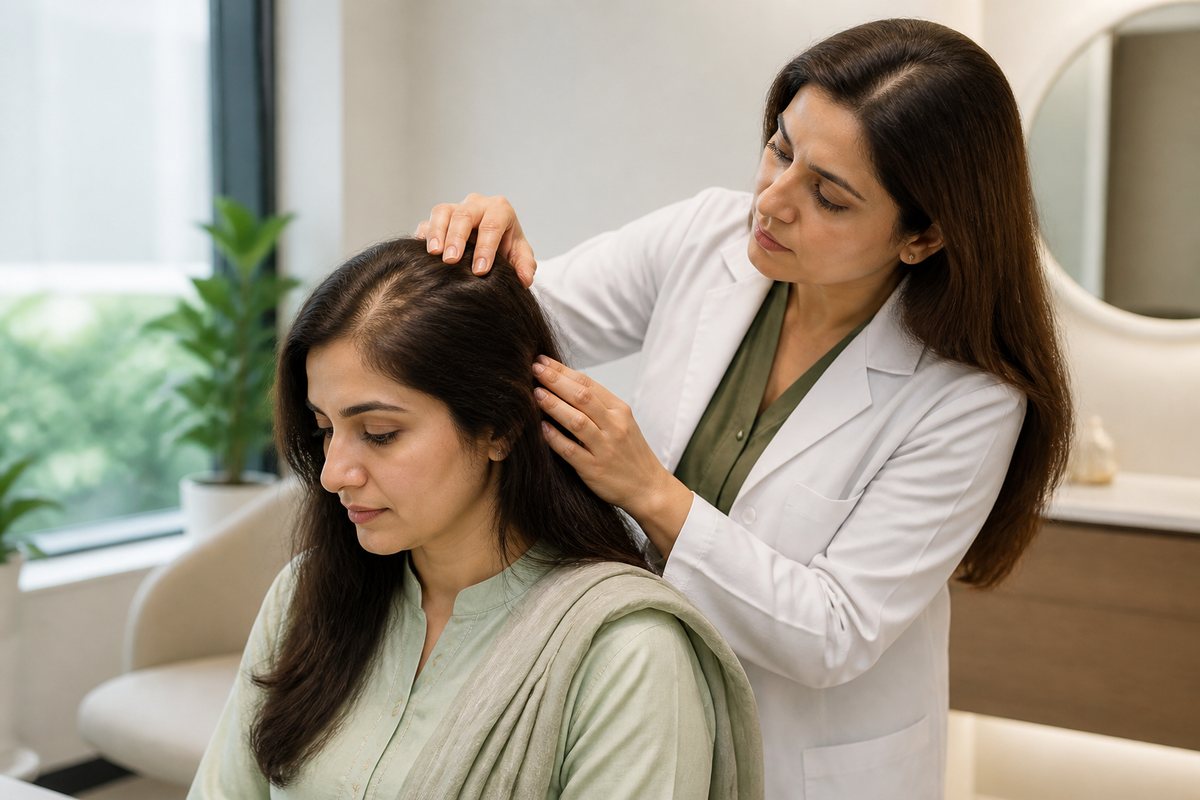
Women can be suitable for transplantation when hair loss is stable and the donor area remains strong. Diffuse thinning, shedding and scarring conditions are common reasons to investigate before surgery.
Read patient guide →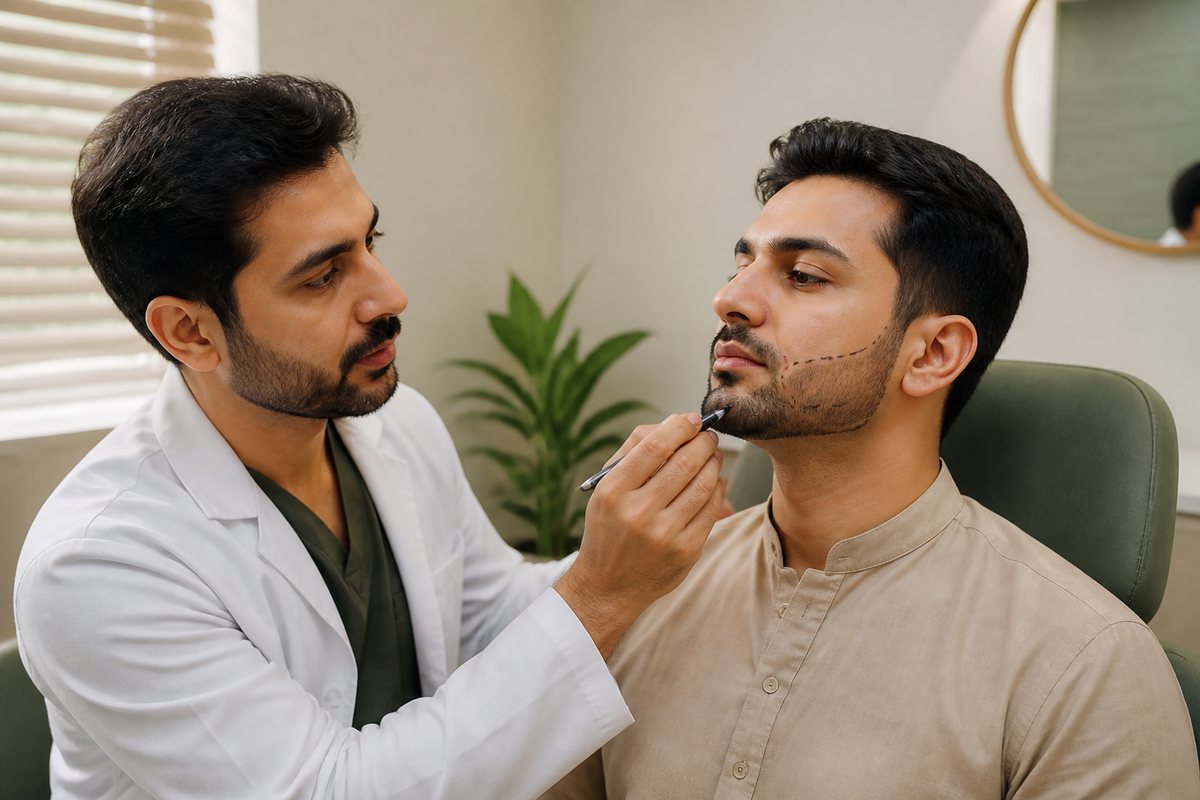
A beard transplant moves scalp follicles into selected facial areas. Natural appearance depends on conservative density, irregular design and extremely shallow graft angles that follow existing facial hair.
Read patient guide →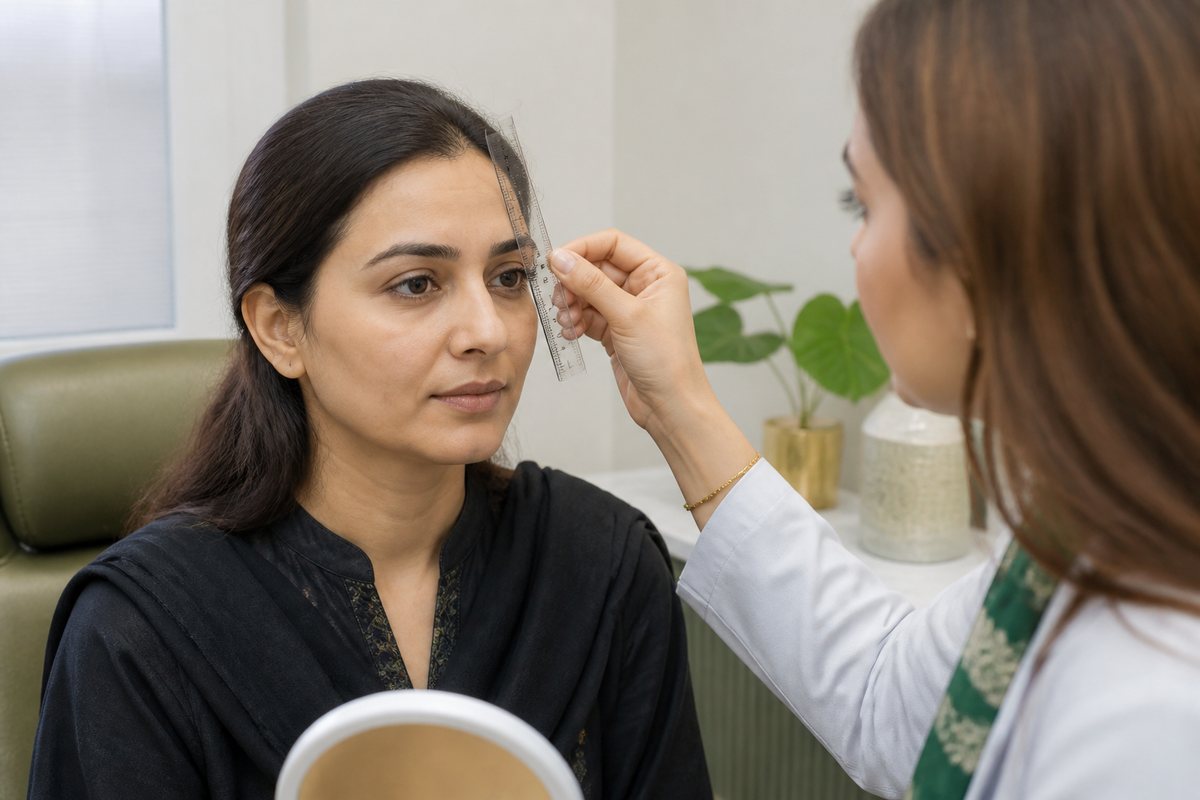
Eyebrow transplant places carefully selected scalp follicles into a designed brow. Natural results depend on single-hair grafts, very flat angles and changing direction across the head, body and tail.
Read patient guide →
Individual follicles are transplanted with minimal scarring and a naturally designed hairline.
Read patient guide →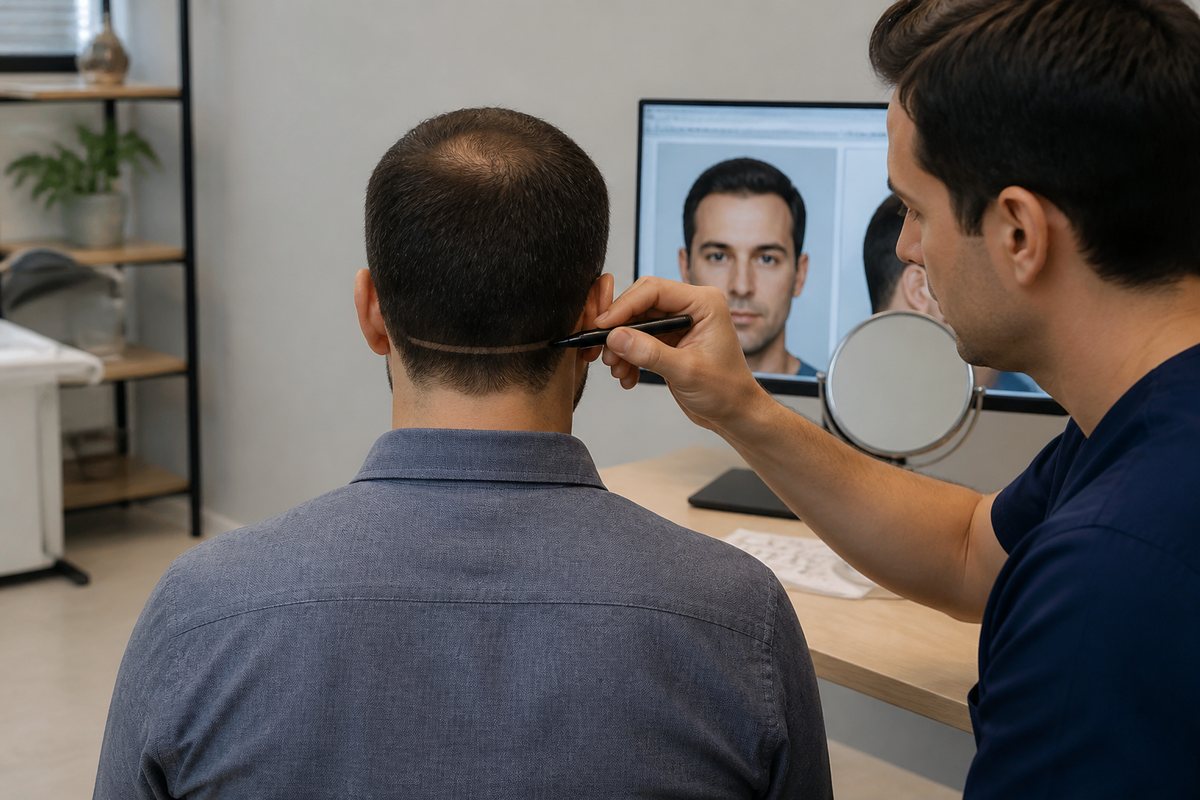
A proven hair-restoration method suited to patients who need broader coverage and lasting density.
Read patient guide →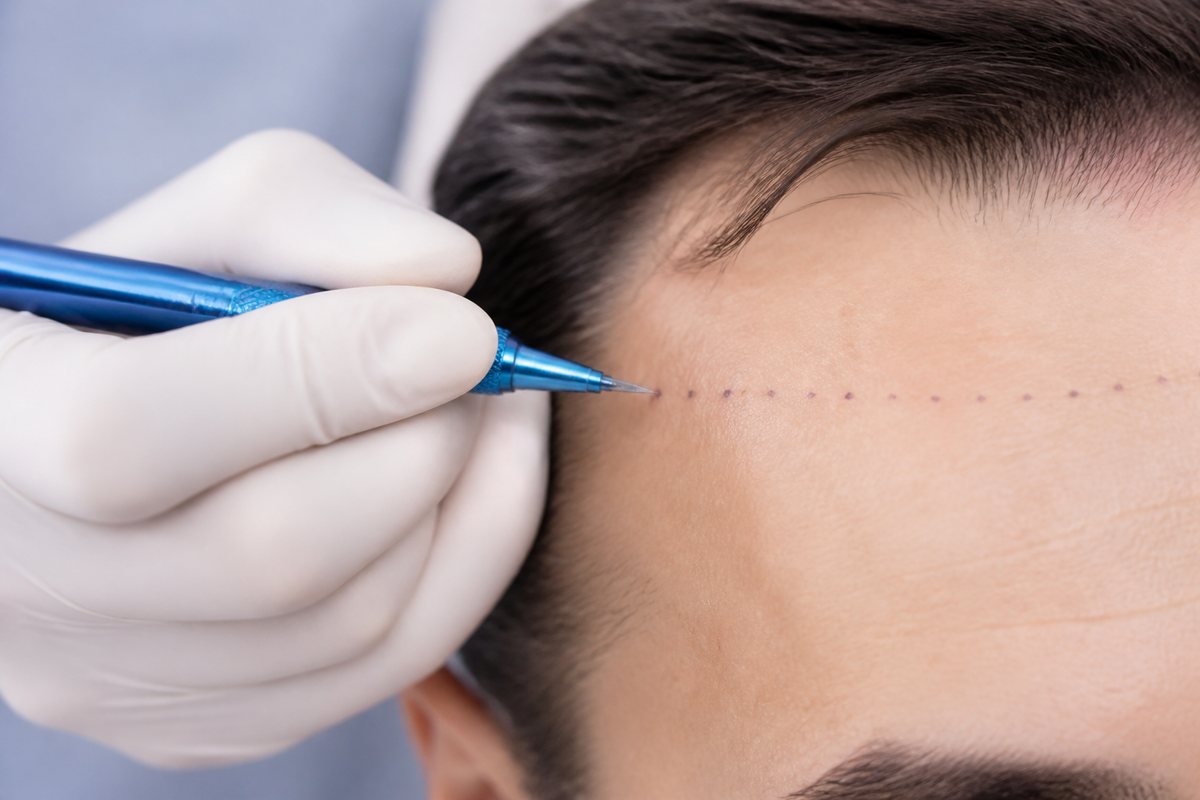
A refined FUE technique using sapphire blades for precise placement and natural-looking density.
Read patient guide →Independent patient information
These external resources support further reading. They do not replace advice from the clinician responsible for your care.
Why choose Dr Husnain Aesthetic Clinic?
Care is led by Assoc. Prof. Dr Husnain Khan, MBBS, MCPS, FCPS, MRCS. He has more than 17 years of experience in plastic surgery, serves as Head of the Department of Plastic Surgery at Holy Family Hospital, Rawalpindi, and has worked in the UK NHS. His GMC reference is 7427786.
No page can decide your suitability or promise a result. Consultation is used to explain reasonable options, limitations, recovery and costs.